
Docteur Mohamed BOUGHLALI
Médecin Spécialiste
Expert en Thermalisme
Thermal tourism continues to grow, representing 7% of the global market (UNWTO 2023) Well-being, health, and therapeutic care USD 80 to 100 billion per year.
Leading regions: Europe, Asia-Pacific, Latin America, and finally North AfricaGlobal trends: Return to nature, wellness boom, integrated resorts, and digitalization.
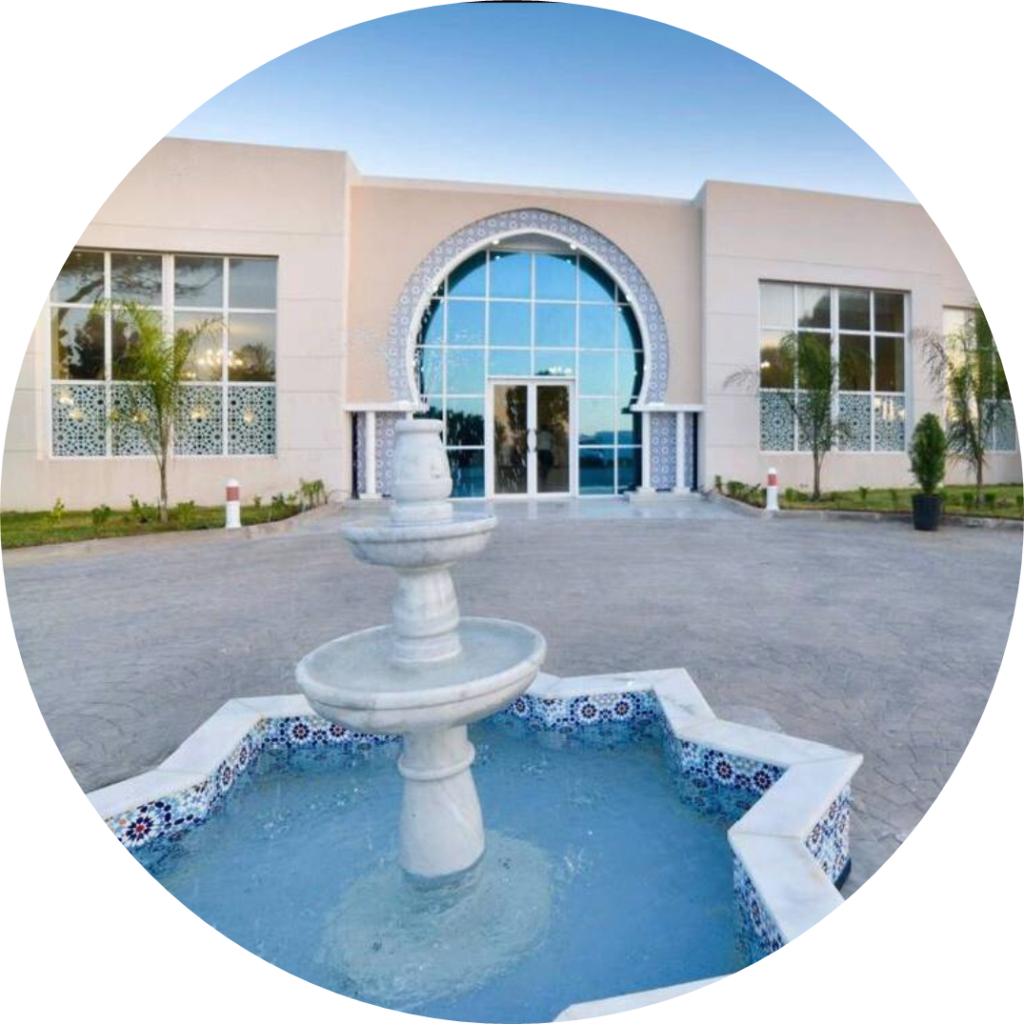
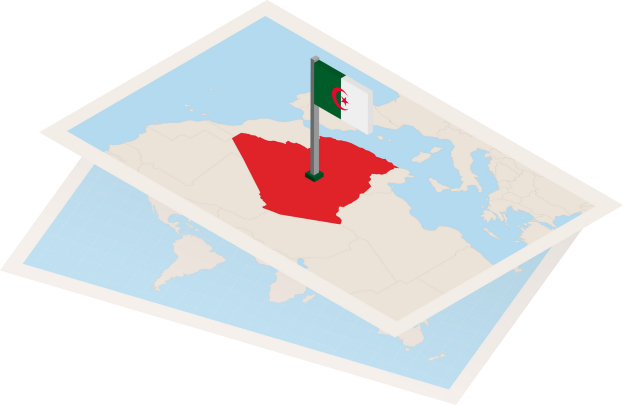
Algeria has a unique thermal heritage in North Africa,
with over 282 thermal springs spread across the country.
The Algerian state aims to make thermalism a pillar of health tourism, supported by a national sustainable development strategy.
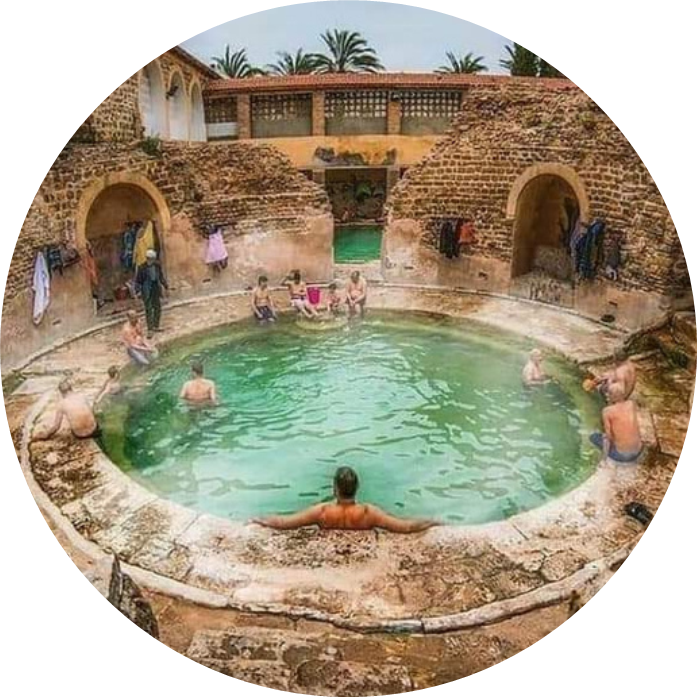
HISTORY OF THERMALISM
Punic period: therapeutic use of hot springs
▶ Roman antiquity: the Romans already exploited springs such as Hammam Essalihine (Aquae Flavianae), with facilities still in operation today
▶ 18th and 19th centuries: development of thermal infrastructures; several stations were built or renovated
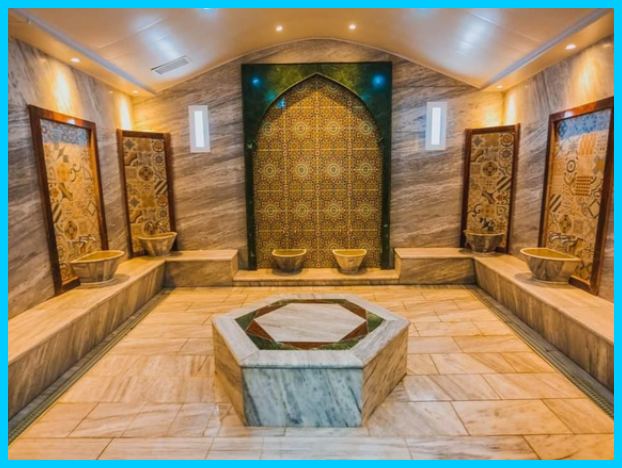
▶ Since 1962: preservation of hammams as cultural and social elements, with public rehabilitation programs
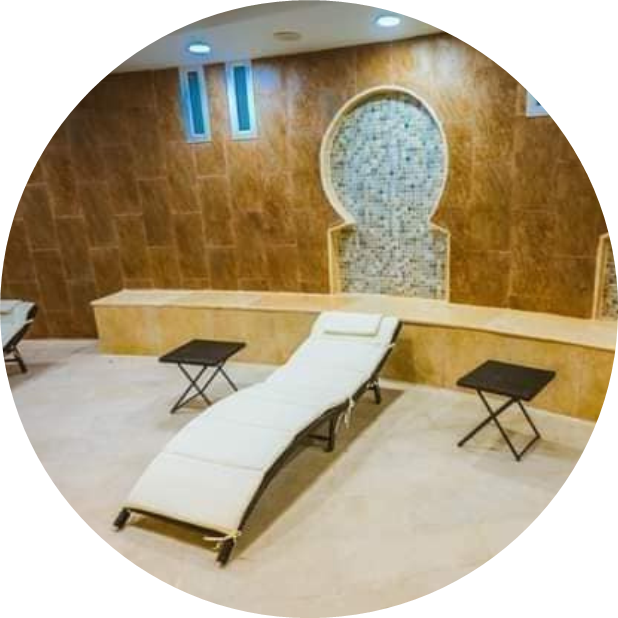
TYPOLOGY OF THERMALISM IN ALGERIA
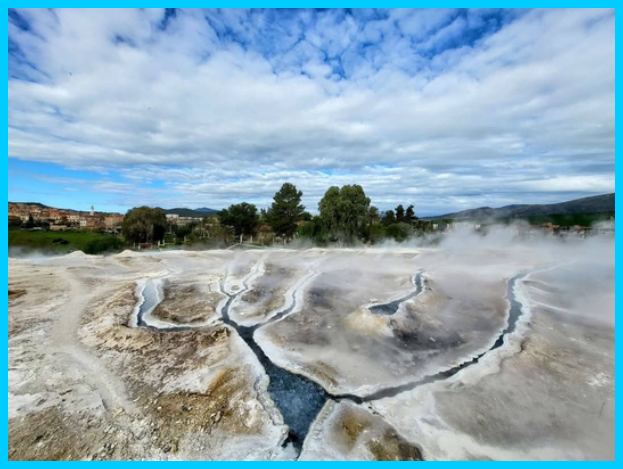
Temperatures ranging from 19 °C to 98 °C
•Mineral richness: sulfates, sulfides, chlorides, bicarbonates, trace metals
•Artesian and geothermal springs
•Therapeutic indications: rheumatism, dermatology, ENT, chronicdiseases…
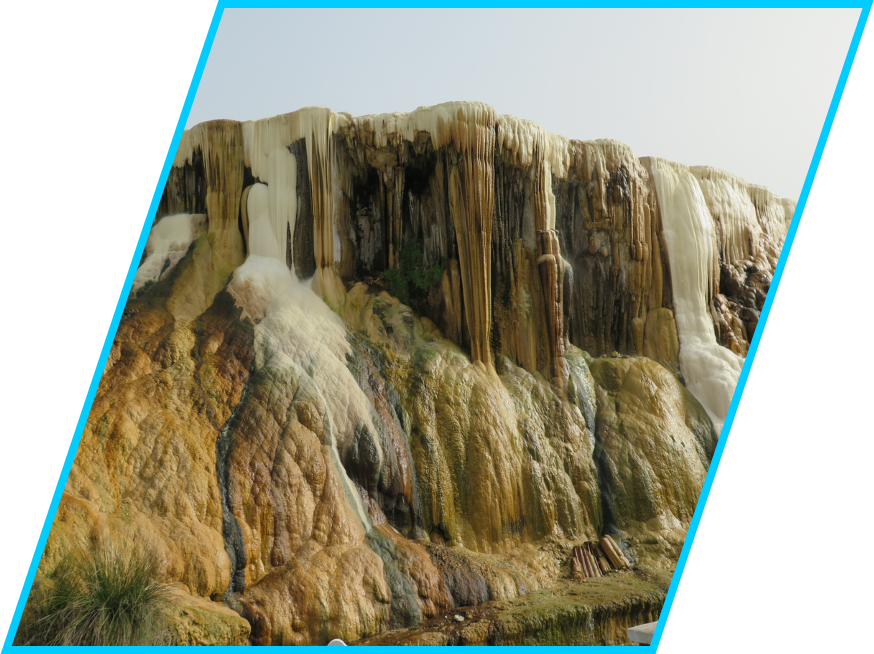
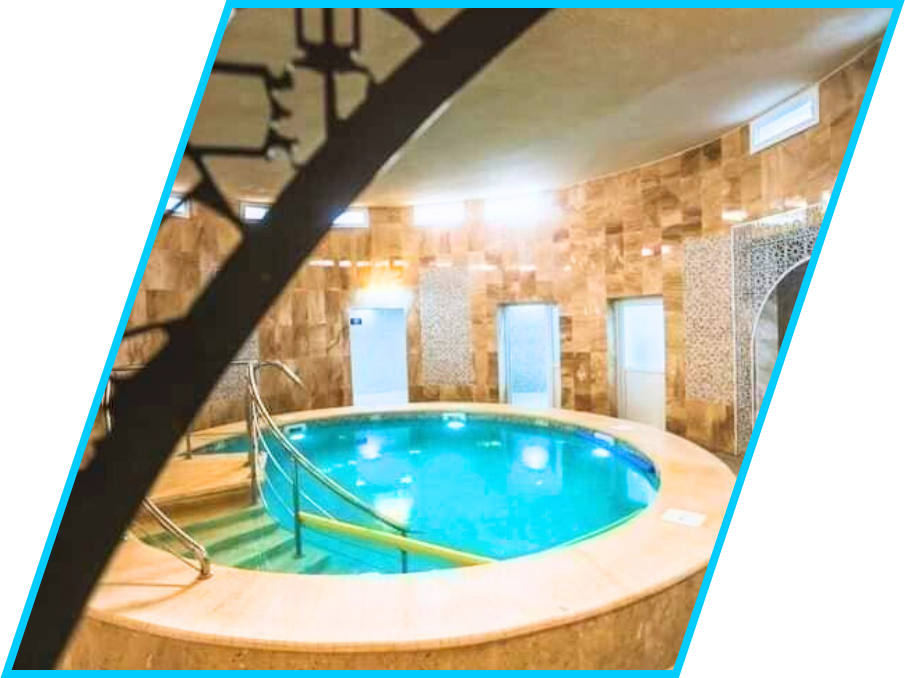
TYPOLOGY OF THERMALISM IN ALGERIA
▶ (SDAT) 2030 is Algeria’s strategic roadmap to transform the tourism sector into a major driver of economic, sustainable, social, and regional development.
▶ Adopted by the government, this plan aims to position Algeria as a competitive tourist destination by leveraging its natural, cultural, and historical assets while ensuring sustainable development.
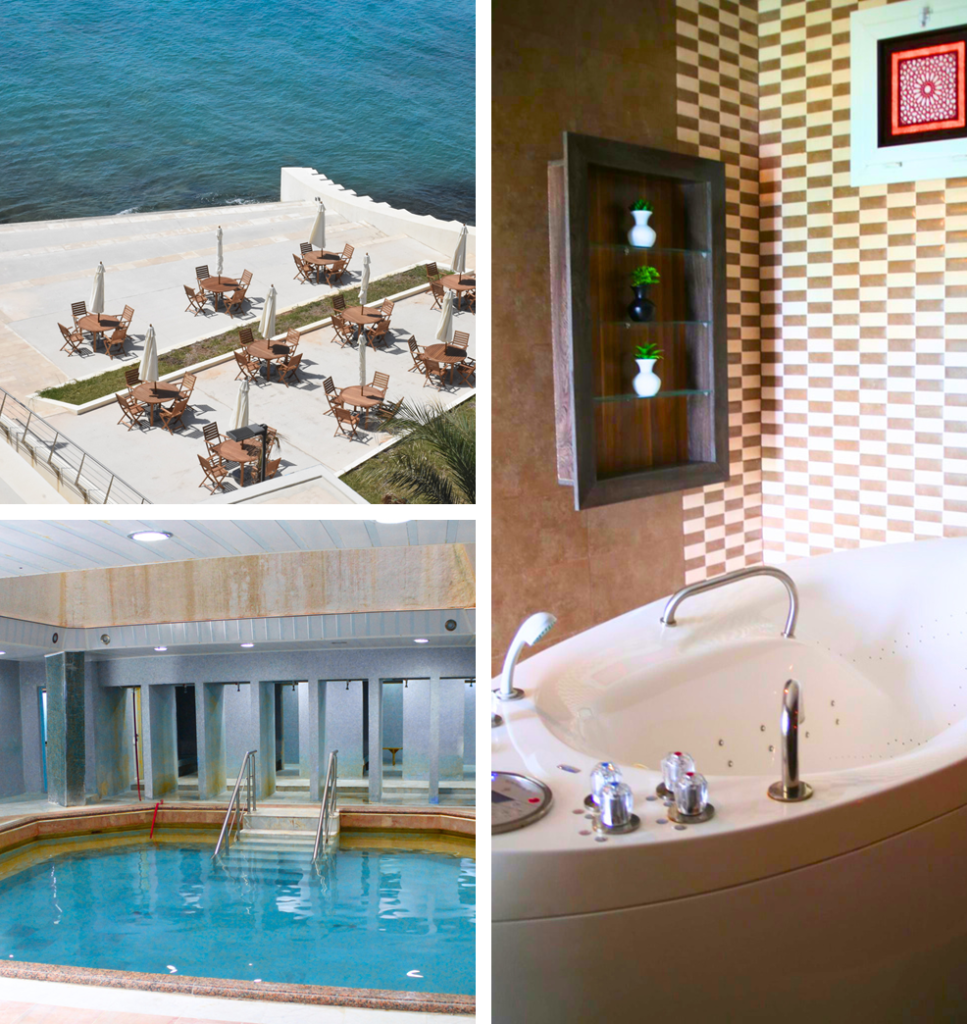
TYPOLOGY OF THERMALISM IN ALGERIA
▶ Modernization of existing resorts : Renovation and upgrading to meet international standards
▶ Development of new thermal resorts : Especially in high-potential areas, notably in Saharan regions
▶ Promotion of health tourism : Integration of thermal resorts into tourist circuits focused on wellness and healthcare
▶ Professional training : Implementation of training programs to develop skills in thermalism and health tourism
– 100 springs
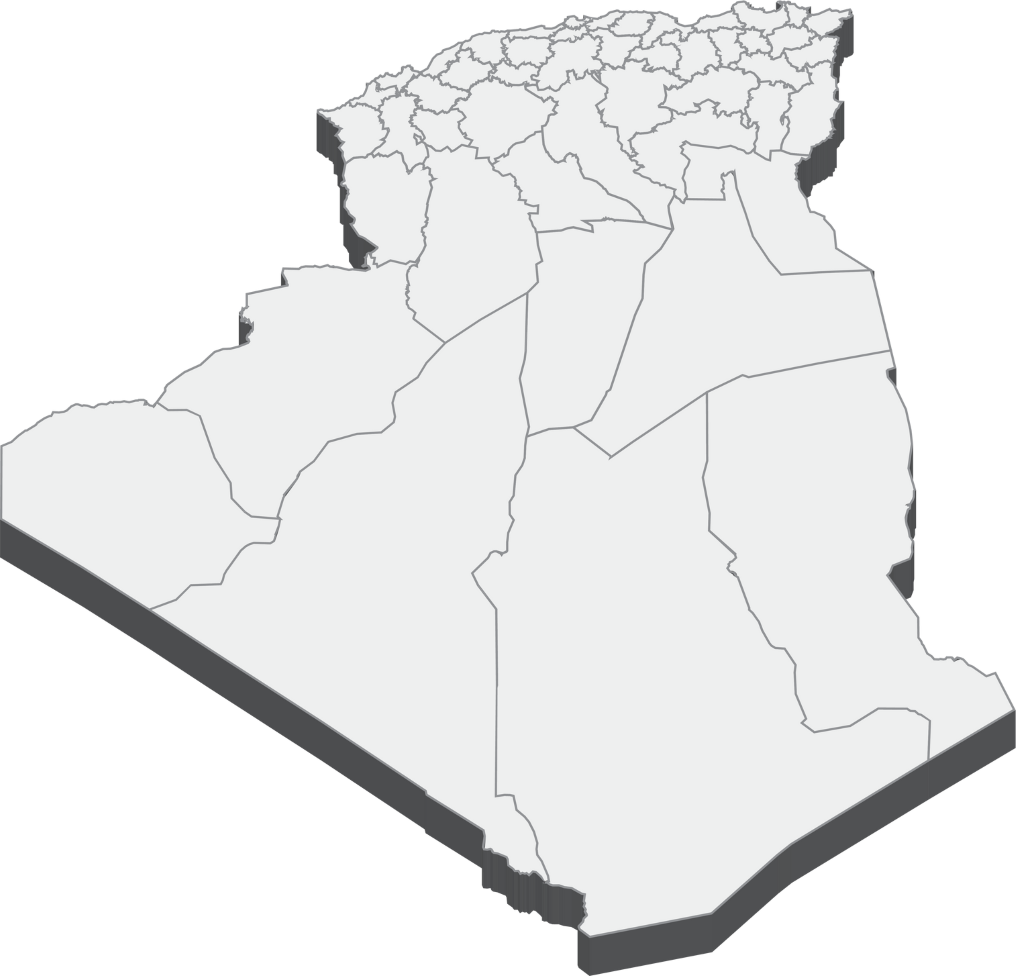
– 282 thermal springs
– 32 private resorts
– 8 public facilities in operation
– 3 thalassotherapy centers
– 33 registered projects
– 24 under development
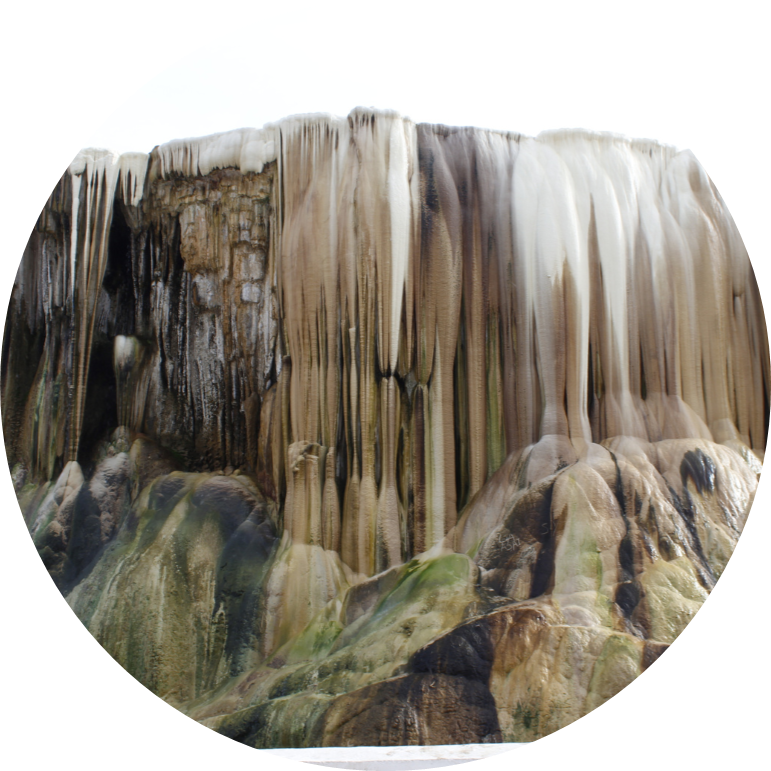
DEVELOPMENT OF TOURIST HUBS: FOCUS ON THERMALISM
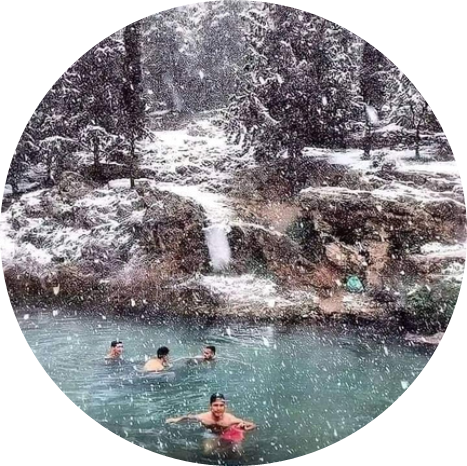
▶ Southeast “Oasis” Hub: Including the wilayas of Ghardaïa, Biskra, and El Oued, this hub focuses on Saharan, cultural, and thermal tourism.
▶ Far South “Tassili N’Ajjer” Hub: Focused on adventuretourism and the exploration of unique Saharanlandscapes.
▶ Coastal Hub: Development of coastal areas for seasidetourism, withspecial attention to environmentalpreservation.
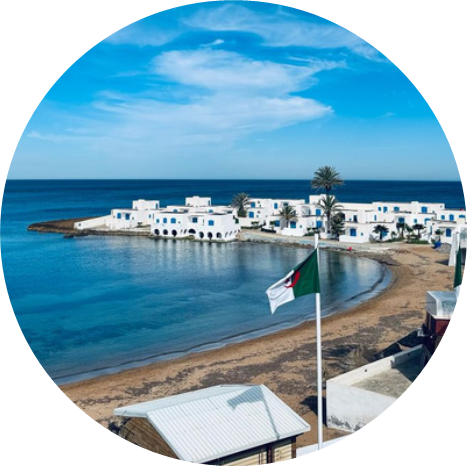
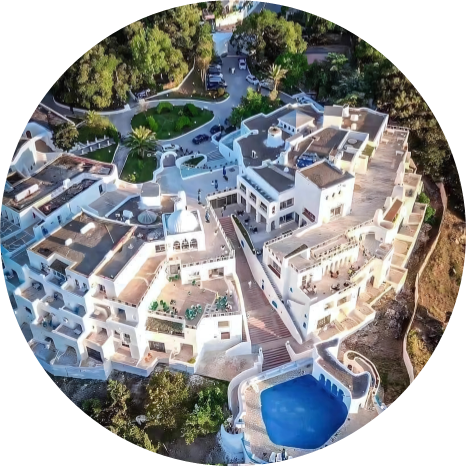
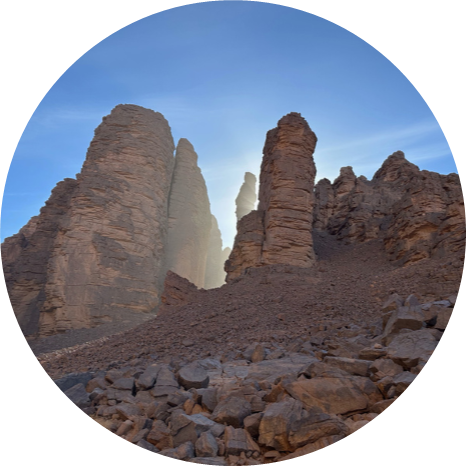
DEVELOPMENT OF TOURIST HUBS: FOCUS ON THERMALISM
- Total population : 45 million inhabitants (2024)
- Annual growth : 1.6%
- •Urban population: over 70% concentrated in the north (near major thermal resorts)
- •Majority youth population: over 50% are under 30, with growing demand for preventive care
- •Gradual aging: over 10% are over 60 → increasing demand for rheumatologic care and rehabilitation
INVESTMENT OPPORTUNITY
MEDICAL SECTOR
▶ Chronic conditions (rheumatism, psoriasis, ENT), post-operative recovery, respiratory disorders
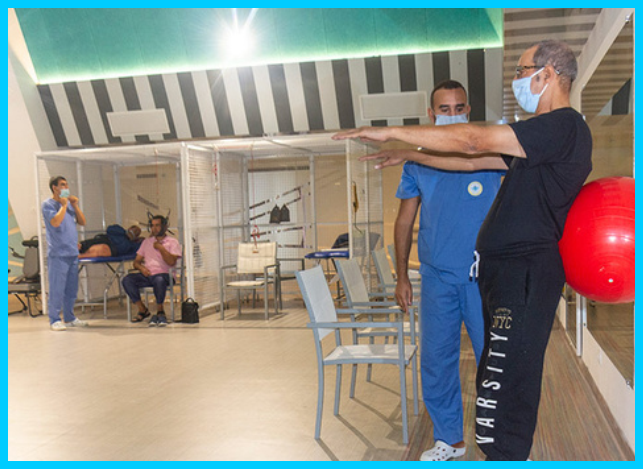
▶ Functional rehabilitation (traumatology, stroke, osteoarthritis) → opportunity for therapeutic centers in thermal and thalassotherapy settings
▶ Potential partnershipswithprivateclinics and health insurance providers
▶ Low regional competition → Algeria could become a hub for medicaltourism in NorthAfrica
•Establish a leading thermal medicine hub in North Africa with costs 50% lower than in Europe
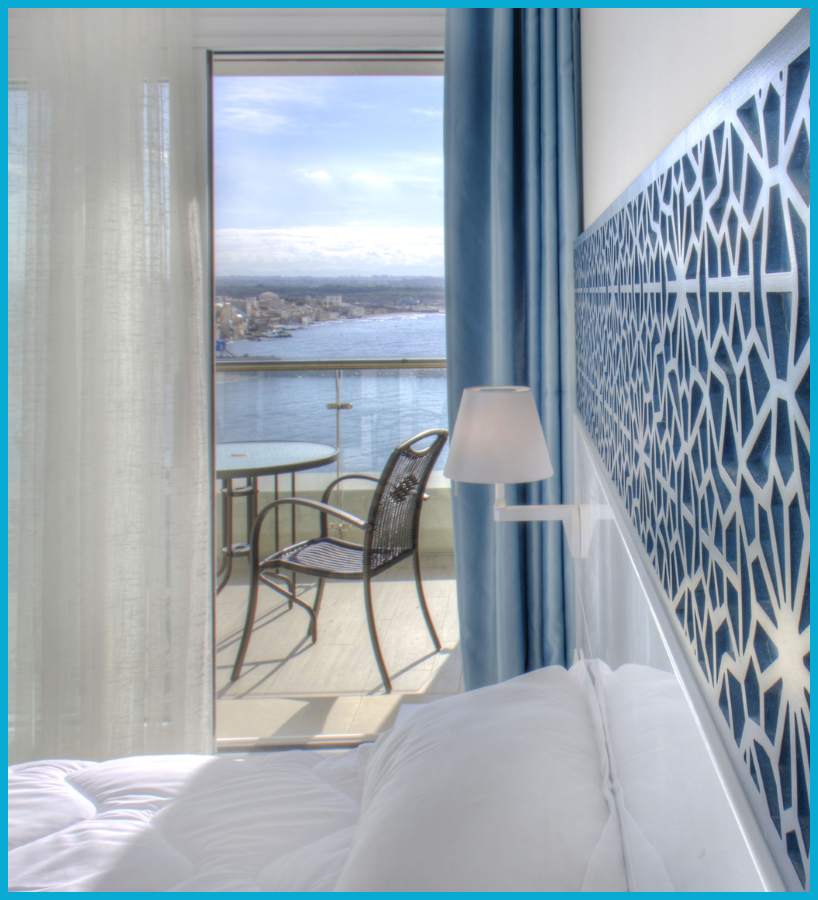
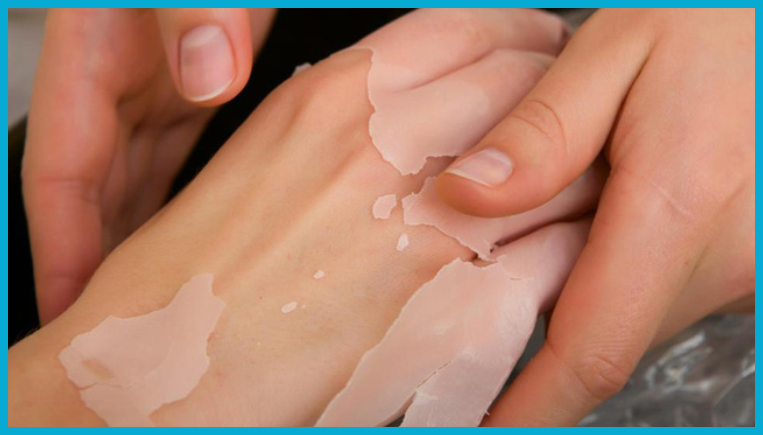
HÔTEL AND TOURISM SECTOR
Less than 3% of tourists in Algeria are thermal visitors → huge growth potential
•Resorts often located in picturesque areas: mountains, forests, oases
•Opportunity to develop high-end thermal complexes with spas, wellness, traditional treatments, etc.
•Lack of 4–5 star hotels in thermal zones → immediate opportunity
• Tap into an untapped, high-purchasing-power niche by combining thermal treatments with upscale wellness stays
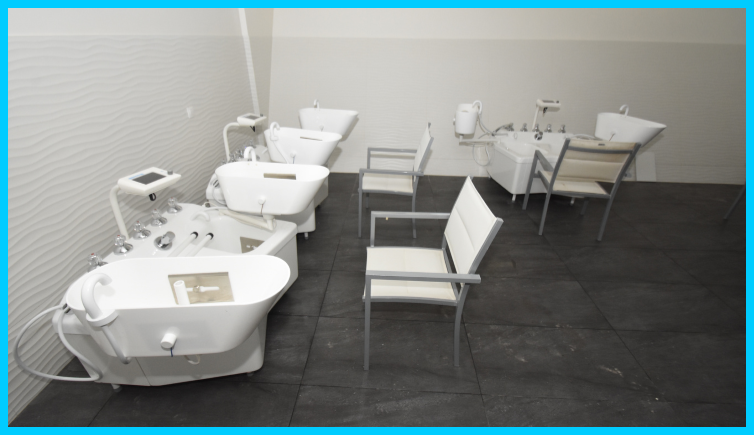
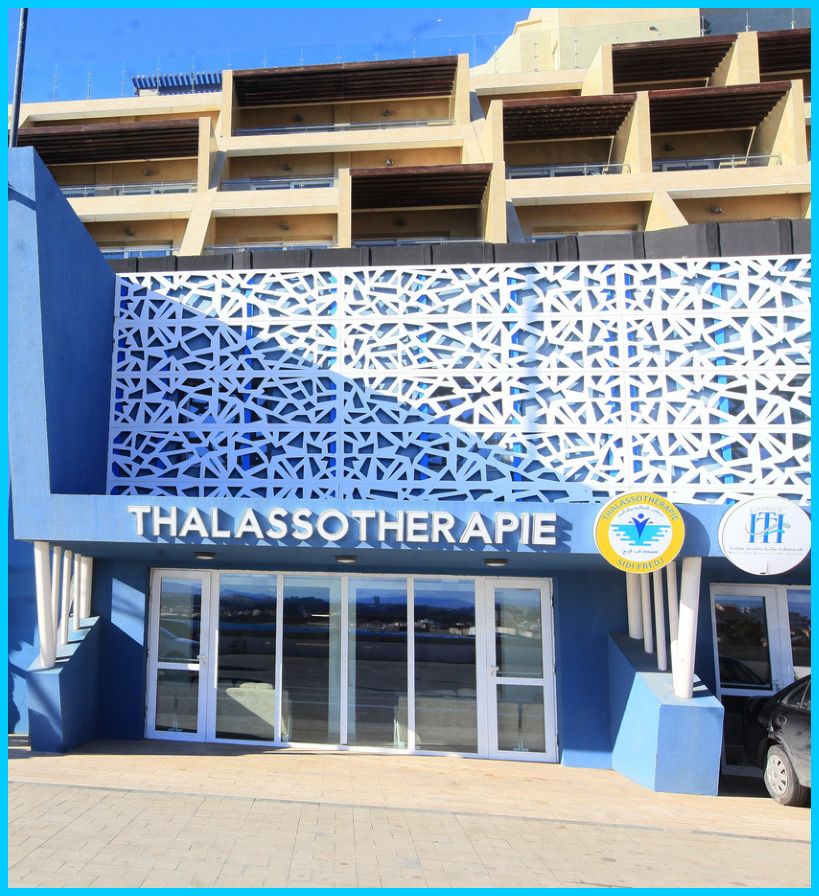
SOCIAL SECTOR (QUALIFIED WORKFORCE) :
▶ Young, available workforce :
– Over 500,000 young graduates per year
– Balanced territorial distribution : regions with thermal springs also have universities and technical institutes
▶ Skill pools in :
– Healthcare(doctors, physiotherapists, nurses)
Tourism and hospitality
– Construction, architecture, renewable energy
•The potential of the qualified workforce in Algeria’s thermalism sector is both a strategic asset and a development opportunity for investors.
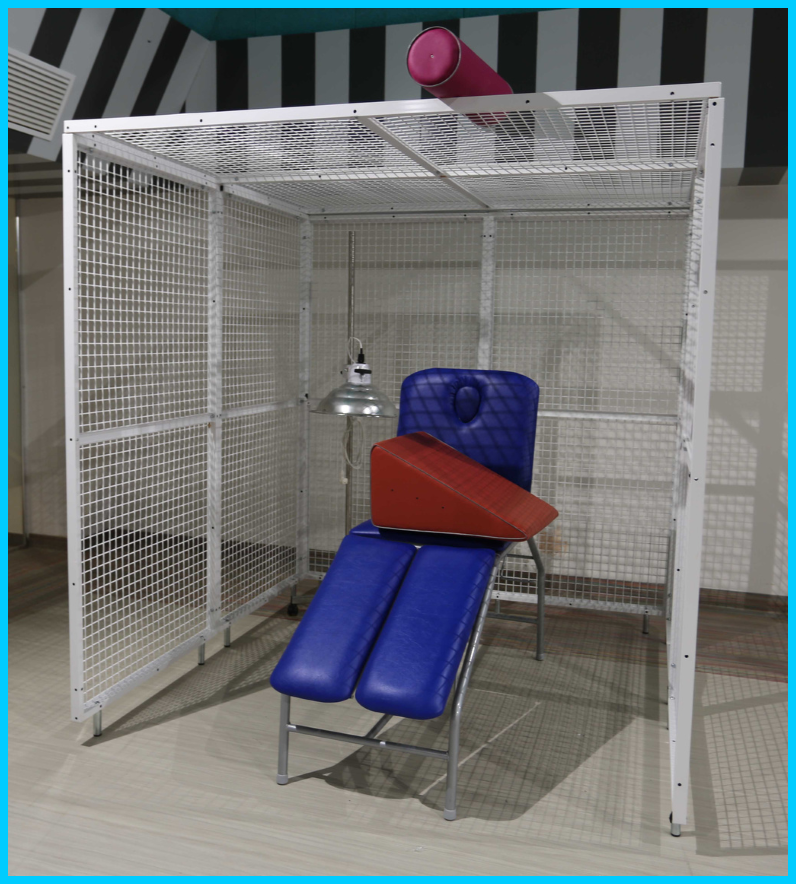
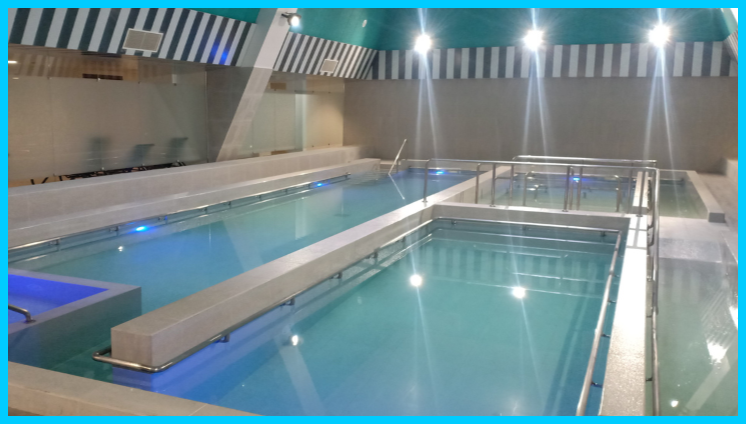
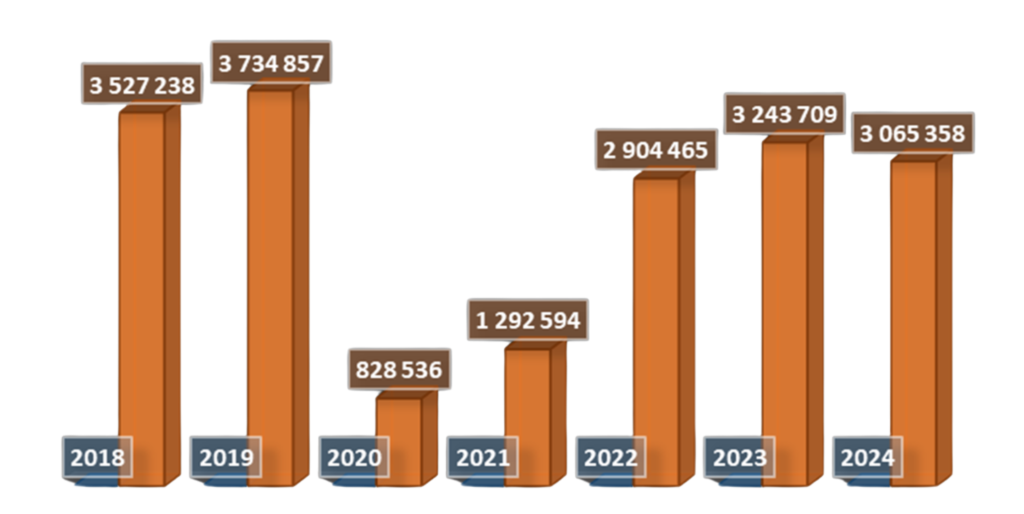
OVERALL ATTENDANCE IN THERMALISM
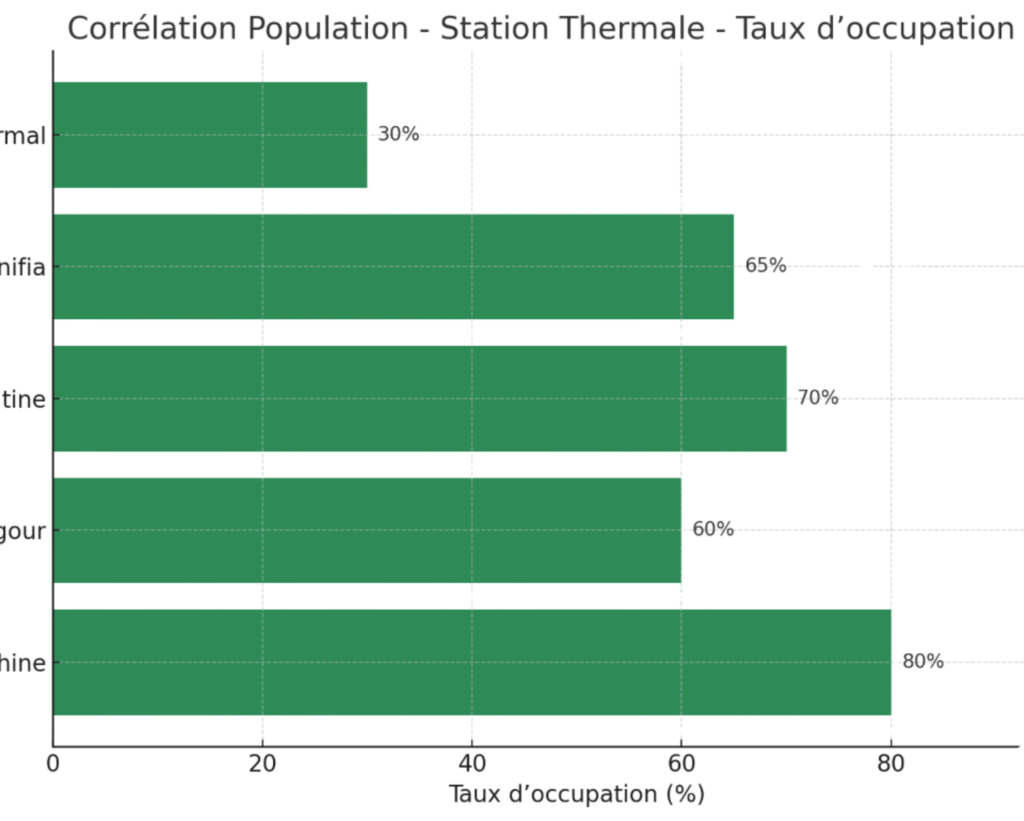
Here is the chart showing the target occupancy rate for several Algerian thermal resorts, based on capacity and attendance potential

• Accelerated training for hydrotherapists, massage therapists, and spa technicians

• Modules in partnership with local universities

• Facilitated local recruitment: moderate labor costs, high employment demand

• Possible co-financing with the State as part of support for structuring investments (thermalism = priority sector)
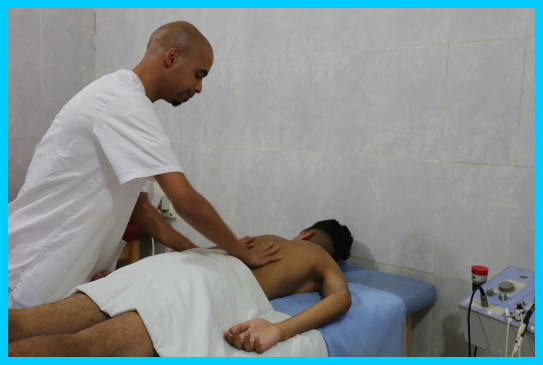
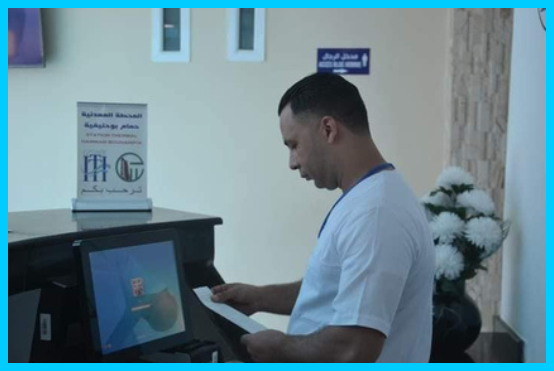
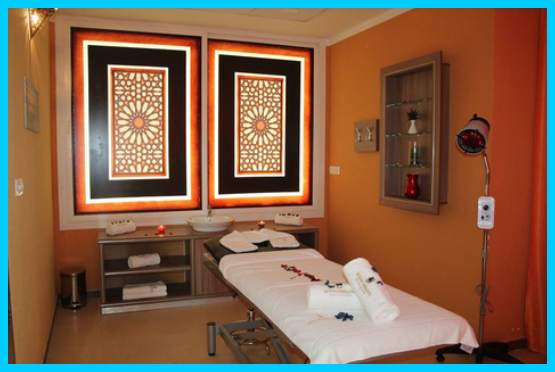
Investing in a thermal spa in Algeria means having access to a young, motivated workforce that can be trained to your standards
INVESTMENT INCENTIVES
► Provision of land in tourism expansion zones
► Tax exemptions and reductions for tourism projects (VAT and customs duties)
► Support for investors by local and national authorities
► Encouragement of collaboration between the public sector and private operators for the development of tourism infrastructure


CONCLUSION
Historic sites,
A warm climate with over 300 days of sunshine
Rich soils and abundant natural springs
A growing and high-performing human potential
A supportive, facilitating, and ambitious state
All the ingredients are in place for profitable and sustainable investments
These are the advantages of investing in Algeria